

Scar Revision in NYC
Minimize Visible Scars with Advanced Scar Revision Techniques
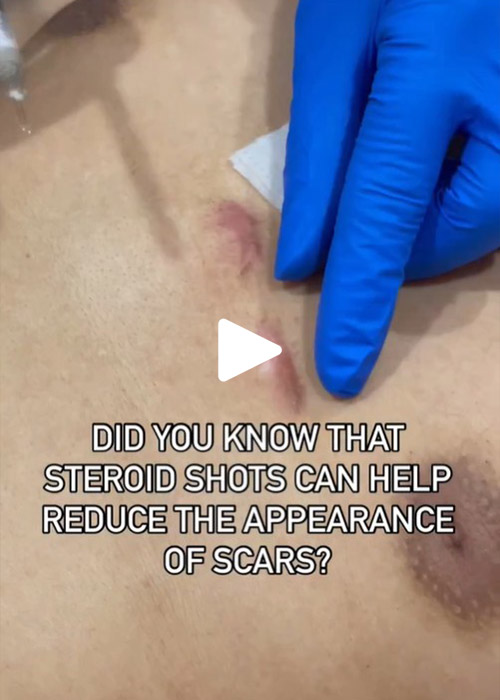
There is no way to predict how the body will recover or how a scar will develop because it depends on the size and depth of the wound, blood supply to the site, and other factors. Dr. Sabry can often improve the appearance of a scar through injections, by prescribing the topical application of steroid medications, or through surgical procedures known as Z-plasty.
Quick Links
What Are the Scar Types We Can Revise?
Keloid Scars
Ongoing treatment may be a combination of scar removal with steroid injections, topical application of steroids, laser, or radiation therapy. Dr. Sabry may ask you to wear a compression garment over the area for up to a year. Even so, the keloid may return, requiring repeated procedures every few years.
Hypertrophic Scars
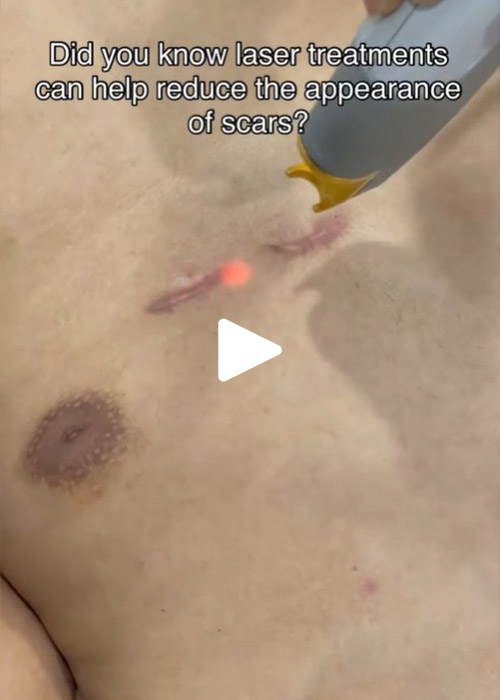
These scars are thick, red, and raised. They differ from keloid scars in that they do not spread. A conservative first approach would be topical steroid applications or injections. If that approach does not yield the desired outcome, laser treatments or surgery may be the next option. Dr. Sabry will outline a procedure plan with you that may involve laser treatment or surgical removal of excess scar tissue and reorienting the incision. The size and location of the scar will determine if the surgery is done under local or general anesthesia.
Acne Scars
Contractures
Injuries that result in the loss of a large area of skin, such as burns, may form scars that pull the edges of the skin together and restrict normal movement of the muscles and tendons adjacent to the scar. Correcting a contracture usually involves removing the scar and replacing it with a skin graft or a flap. Sometimes, a Z-plasty technique is used after tissue expanders have created enough space for the old scar to be excised. If the contracture is a longstanding condition that has restricted movement, return to full function may require physical therapy.
Facial Scars
Dr. Sabry may be able to reposition a facial scar to run parallel to the natural creases and lines in the skin, making it less conspicuous. Medical-grade skincare and Rx topicals may lessen the appearance of facial scars by evening out, lightening, and correcting pigmentation irregularities. Some facial scars can be softened using dermabrasion or other ablative and semi-ablative modalities.
Why Choose Murray Hill Plastic Surgery for Scar Revision?
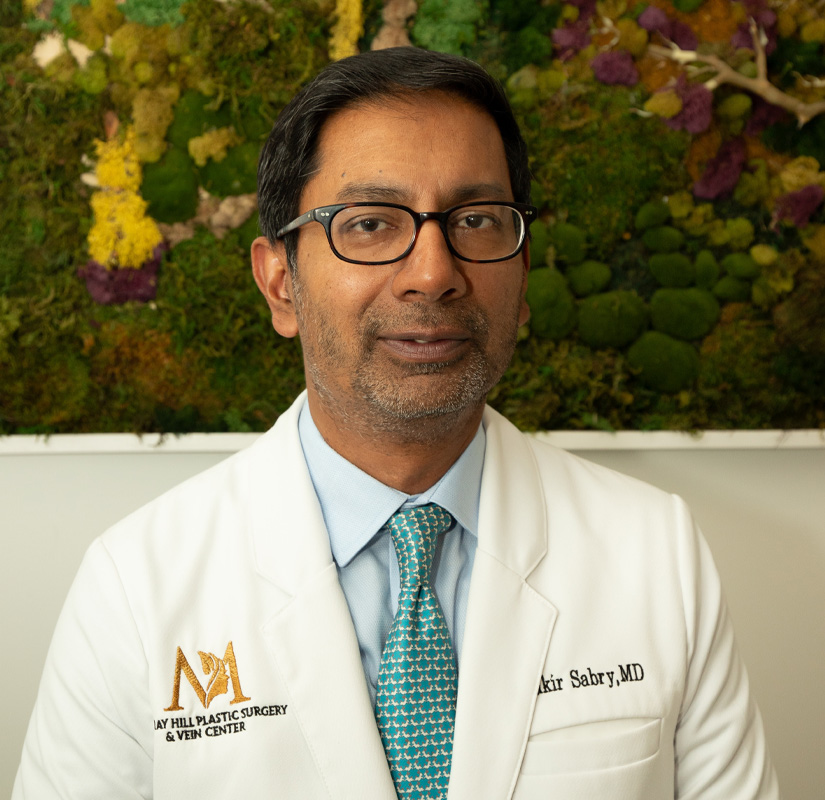
At Murray Hill Plastic Surgery, scar revision is approached with surgical and non-surgical procedures, with insight from decades of advanced training. Dr. M. Zakir Sabry, a board-certified plastic surgeon with specialized expertise in craniofacial and reconstructive procedures, brings detail and care to each case, reflecting technical mastery and artistic judgment.
Most patients benefit from tailored treatment plans designed not only to minimize scarring but also to support long-term skin integrity and function. Whether treating complex injuries or refining older scar tissue, we emphasize thoughtful technique over routine solutions. Every scar tells a story, and we aim to rewrite it carefully.
What Happens During the Scar Revision Consultation?
During your scar revision consultation, Dr. Sabry will answer your questions about the procedure and discuss any safety concerns related to the surgery. He will examine your scar and give you his recommendations for treating it, whether surgical or non-surgical. It is very important to remember that the outcome can be unpredictable, whatever approach you choose. Therefore, patients must have realistic expectations before proceeding.
What Can I Expect During Scar Revision Recovery?
How Much Does Scar Revision Cost in NYC
The cost of scar revision in NYC ranges from $500 to $5,000, depending on the type and complexity of the procedure. Factors such as the size and location of the scar, the method of scar treatment used, and whether local anesthesia or sedation is required can all influence the final price. Additional expenses may include consultation fees, follow-up visits, and any prescribed medications to support healing. You will receive personalized price quotes during the initial appointment with Dr. Sabry.
What Are the Benefits of Scar Revision?
- Smoother and more even skin surface
- Reduction in visible scars
- Enhanced collagen production
- Improved movement in previously restricted areas
- Balanced skin tone and pigmentation
- Long-term scar revision results
- Ability to improve skin texture over the treated area
Schedule Your Murray Hill Scar Revision Surgery
When you’re ready, we’re here to walk this journey with you. To get started, simply contact us online or call (212) 737-1308 to schedule your consultation with Dr. Sabry and our team today. We are located in Murray Hill, Manhattan, and proudly serve patients visiting from NYC, New York State, and throughout the nation.
Frequently Asked Questions: Scar Revision in NYC
How does surgical excision work for scar revision?
Surgical excision involves removing the scar tissue entirely and carefully reclosing the wound. This treatment method is particularly effective for certain types of scars and allows Dr. Sabry to reposition the scar to follow natural skin lines, improving the outcome.
What is the wound healing process like after scar revision?
After scar revision, wound healing typically progresses through several stages, including inflammation, tissue formation, and remodeling. Complete healing takes time, with initial recovery lasting one to two weeks, while the scar matures over several months.
How many appointments will I need?
Many scar treatments require multiple treatments for optimal results. The exact number depends on your scar’s appearance, type, and how it responds to initial treatment. Dr. Sabry will create a customized treatment plan during your consultation.
Is laser therapy effective for scar revision?
Yes, laser therapy can be highly effective as it promotes collagen production and improves both the scar’s texture and appearance. This non-surgical option works well for many types of scars, particularly those with pigmentation issues or rough texture.
How soon can I return to normal activities after treatment?
Most patients can resume normal activities within one to two weeks following treatment, depending on the procedure performed. More extensive surgical revisions may require additional recovery time.
Are there precautions I should take after scar revision?
Protecting the treated area from sun exposure is crucial, as UV rays can darken scars and impede healing. We also recommend following all post-treatment care instructions precisely to ensure optimal results.