

Earlobe Repair | Earlobe Reduction in NYC
Restore Balance & Confidence
At Murray Hill Plastic Surgery in NYC, earlobe repair is approached with a high level of precision and artistry. We understand that the appearance of earlobes plays a subtle yet significant role in facial balance and personal confidence. Whether your cosmetic concerns stem from trauma, stretching, or aging, each case is carefully evaluated to determine the most effective solution. In addition to earlobe repair, we also offer ear reshaping (otoplasty) to refine ear position, improve symmetry, and create better overall facial balance. Attention to detail and patient-specific planning ensure that our procedures help patients achieve their desired appearance and boost their confidence.
Quick Links
- What Is Earlobe Repair?
- What Are The Different Earlobe Repair Techniques?
- Why Choose Murray Hill Plastic Surgery For Earlobe Repair?
- What Happens During The Initial Consultation And Preparation?
- What Happens During The Earlobe Repair Procedure?
- What Is Ear Reshaping (Otoplasty)?
- What To Expect In An Otoplasty Procedure?
- What Are The Benefits Of Earlobe Repair And Ear Reshaping Surgery?
- What Is The Recovery Process After Earlobe Repair And Ear Reshaping Surgery?
- Who Is A Good Candidate For Earlobe Surgery & Otoplasty?
- What Is The Cost Of Earlobe Repair & Otoplasty?
- Is Out-Of-Network Coverage Available?
- What Makes Our Plastic Surgery Different From Others?
- Does Insurance Cover Earlobe Repair And Otoplasty?
- Cosmetic Ear Surgery FAQs
What Is Earlobe Repair?
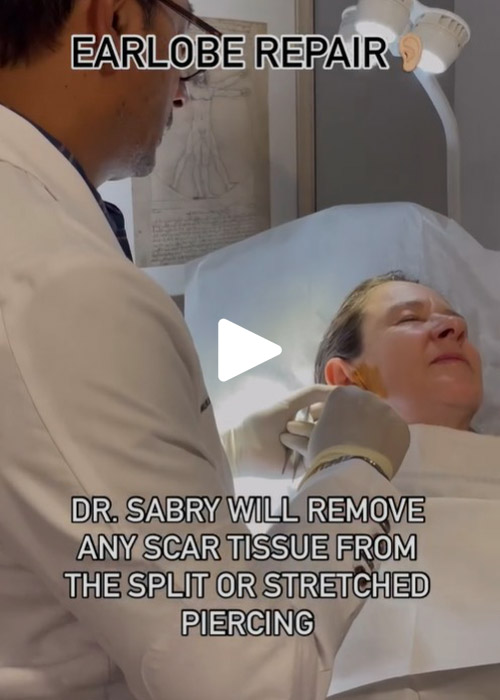
Earlobe repair is a minor surgical procedure that corrects stretched, torn, or misshapen earlobes. These conditions often result from trauma or prolonged use of heavy jewelry, which can gradually elongate the piercing or cause a complete tear. The procedure typically takes about 30 to 60 minutes and is performed in our comfortable office. Earlobe repair restores the natural contour of the earlobe using fine sutures and precise tissue realignment. It is a straightforward intervention that addresses both partial and complete earlobe damage.
Verified Benefits & Easy paperwork
Insurance for Earlobe Repair & Otoplasty
Earlobe repair procedures may be covered by insurance in the following cases:
- Reconstruction due to trauma or injury
- Correction of congenital earlobe deformities
- Medical necessity as determined by a physician
Our team is available to help determine your eligibility for coverage and guide you through the process. We also accept out-of-network insurance when applicable.
Out-of-Network Coverage
What Are the Different Earlobe Repair Techniques?
Simple Layered Closure
This simple procedure is widely used in earlobe repair, particularly when the tear or stretching is minimal. It involves removing the damaged skin along the edges of the tear and then carefully stitching the layers of tissue back together to restore the earlobe’s natural shape. A simple layered closure is a straightforward and effective method, offering clean results with minimal scarring. The sutures typically follow the natural curve of the lobe, making the repair subtle and discreet.
Z-Plasty
Z-plasty involves rearranging the tissue around the damaged area to reduce tension and improve the final appearance of the scar. In earlobe repair, this surgery can help minimize contracture and prevent a notched or pinched look after healing. The technique utilizes a Z-shaped incision, enabling Dr. Sabry to rotate and reposition the skin flaps for a more natural result. It is beneficial for earlobes with irregular scarring or those that have undergone previous failed repairs. While more specialized than simple closure, Z-plasty remains a standard option for earlobe repair.
Purdue Flap Repair
Purdue flap repair is a more advanced technique used for earlobes with significant tissue loss or complex defects. It involves creating a local tissue flap from the surrounding skin to reconstruct the damaged area, allowing for both coverage and contour restoration. This method is often selected when primary closure isn’t possible due to a lack of skin or structural integrity. This technique allows for an opening to be maintained with a heavy string or light stud placement, thereby avoiding the need for re-piercing. This is Dr. Sabry’s preferred method for most cases.
Gauge Repair
This specialized form of ear surgery corrects the large holes and stretched tissue caused by gauges piercings. It addresses not only the central opening but also the excess skin that remains after the gauge is removed. The procedure involves excising the stretched tissue and reconstructing the earlobe into a more natural, rounded shape. Because gauges can leave the lobe severely thinned or misshapen, this repair often requires more tissue manipulation than standard techniques. Gauge repair is ideal for individuals who no longer wish to maintain the appearance of gauged ears.

Why Choose Murray Hill Plastic Surgery for Earlobe Repair?
Earlobe Repair Initial Consultation & Preparation
Preparation for earlobe repair begins with a thorough consultation, during which Dr. Sabry examines the earlobes to assess the damage, including any tears, stretched areas, or enlarged holes. This evaluation helps determine how much tissue needs to be removed or repositioned to restore a natural contour. Medical history, skin type, and any prior procedures are also reviewed to ensure optimal planning and treatment. Patients may be advised to avoid certain medications or substances that could interfere with their healing process. Proper preparation enables a personalized surgical approach and a smoother recovery.
Earlobe Repair Procedure
Anesthesia
Earlobe repair is typically performed using local anesthesia, ensuring the area is numb and the patient remains comfortable throughout the procedure. A small amount of local anesthetic is injected into the earlobe, allowing for a painless experience while maintaining full awareness. This approach is highly effective, and most patients experience minimal discomfort during the process.
Incisions
Once the area is numb, Dr. Sabry makes precise incisions around the torn or stretched section of the earlobe. In cases involving elongated piercings or large-gauge holes, any excess tissue is carefully removed to create clean, symmetrical edges. The goal is to prepare the lobe for optimal closure and aesthetic reconstruction.
Tissue Realignment
After trimming and reshaping, Dr. Sabry repositions the remaining tissue to recreate the natural curve and contour of the earlobe. This step requires careful judgment to ensure a balance between both lobes, especially in more complex repairs. The technique used may vary depending on the severity and shape of the damage.
Closure
The final step involves meticulously closing the incision with fine sutures. These sutures are typically placed in layers to support proper healing and minimize visible scarring. The earlobe is then gently bandaged, and detailed aftercare instructions are provided to support the recovery process.
Ear Reshaping (Otoplasty)
Ear reshaping, or otoplasty, is the correction of prominent or excessively large ears. It is one of the most common plastic surgery procedures performed for congenital abnormalities. Otoplasty can also improve large or stretched earlobes. New ears can be reconstructed for those who were born without them or who have lost them through injury.
Otoplasty is usually performed on children between the ages of 4 and 14, but it can be performed on adults as well. When operating on children, Dr. Sabry prefers to perform the surgery, at the earliest, between the ages of 6 and 7. This allows the ear to fully develop and the ear cartilage to mature. Mature cartilage holds sutures in place well and results in optimal correction. Corrective surgery at this age also addresses the condition before the child has to endure teasing and ridicule from school-age peers.
What to Expect in an Otoplasty Procedure
Otoplasty is designed to set the ears back by creating folds and rotating the ears, thereby normalizing their appearance. The procedure takes anywhere from 45 minutes to 2 hours, depending on the complexity or amount of correction needed. It will leave a slight scar behind the ear, which will fade over time and is not visible from the front or profile views.
Incisions are made behind each ear, and the cartilage is scored. Absorbable sutures are used to reshape the ear folds and are buried under the skin. Occasionally, a reduction in size may be necessary. In this case, skin incisions are closed with dissolving stitches that do not require removal. Even when only one ear appears to protrude, surgery is usually performed on both ears for better balance.
Benefits of Earlobe Repair and Ear Reshaping Surgery NYC
Earlobe repair or ear reshaping is often chosen by individuals seeking to address cosmetic or structural concerns affecting the ears. Whether caused by trauma, genetics, or aging, these procedures can restore balance and support personal goals related to appearance and confidence. Treatment is tailored to the specific concern, whether focused on the earlobe or the overall ear shape. These procedures can offer the following benefits:
- Restores symmetry and natural ear shape
- Repairs torn, stretched, or damaged earlobes
- Improves ear position and reduces prominence
- Enhances overall facial balance and proportion
- Addresses aesthetic concerns with a conservative approach
- Improves self-esteem and comfort with appearance
- Creates a more refined, youthful look
- Achieves natural-looking, long-lasting results
Recovery After Earlobe Repair and Ear Reshaping Surgery
First 24 Hours
Immediately after earlobe repair or ear reshaping surgery, the treated area may be slightly swollen and tender. A light dressing is usually applied to protect the incision and absorb any minor drainage. For otoplasty patients, a supportive dressing or headband may also be placed to help maintain the new ear position. To prevent infection, patients are instructed to keep the area clean and avoid unnecessary contact. During the initial stage of recovery, rest and limited activity help support healing.
Week 1
In the first week, swelling typically begins to subside, and sutures remain in place to support proper healing. Most patients return to normal daily activities within a few days, taking care to avoid pressure or trauma to the ears. For ear reshaping patients, wearing a headband as instructed may be recommended, especially at night. Keeping the treatment site clean and dry remains essential. By the end of the week, redness and inflammation are usually reduced.
Week 2
Around the second week, sutures are typically removed during a follow-up visit, and the ears continue to heal and stabilize. The incision lines become less noticeable as the tissue settles. At this stage, improvements in both earlobe shape and ear position become more apparent, although full healing continues over time. Following post-procedure care guidelines helps minimize the risk of complications.
Weeks 3–6
Over the next several weeks, the ears continue to refine in shape, and any remaining swelling gradually resolves. The skin smooths out, and scars begin to mature. Patients who underwent ear reshaping will notice improved contour and positioning, while earlobe repair results become more natural in appearance. Re-piercing after earlobe repair is typically delayed until healing is complete.
3 Months and Beyond
By three months, the final results are usually well established. The earlobes are structurally stable, and the ears appear more balanced and proportionate. Incisions are well-healed, and any residual redness continues to fade. With proper care, the results of both earlobe repair and ear reshaping are long-lasting and natural-looking.
Good Candidates for Earlobe Surgery & Otoplasty
Patients should have realistic expectations about the potential results and understand that some scarring from the incisions may remain.
Many individuals seek earlobe repair after experiencing damage from injury, addressing aesthetic concerns, or changing personal style. People choose otoplasty often based on a congenital issue. Whether the issue developed gradually, occurred suddenly, or has been there since birth these procedures are commonly chosen by the following groups:
- Individuals with a torn earlobe
- Those with stretched earlobes from gauges or jewelry
- People who have experienced damage from wearing heavy earrings
- Individuals whose ears were pulled accidentally during daily activities or trauma
- People born with congenital ear conditions, such as:
- Prominent or protruding ears
- Lop ear (folded over upper ear)
- Constricted or “cup” ear
- Stahl’s ear (abnormal cartilage fold)
- Macrotia (overly large ears)
Cost of Earlobe Repair & Otoplasty in New York City
What Makes Our Plastic Surgery Different from Others?
Start Your Journey Today
Frequently Asked Questions: Cosmetic Ear Surgery In NYC
Is earlobe reduction/repair a painful procedure?
In most cases, earlobe reduction is not considered a painful procedure. The surgery is performed under local anesthesia, and patients typically report only mild discomfort during and after the treatment. Any soreness usually resolves within a few days with basic care.
When to expect earlobe repair results?
Visible improvements are noticeable shortly after the procedure, with more refined results becoming apparent as the healing progresses. Most patients see full results within several weeks. Our experienced surgeon, Dr. Sabry, carefully tailors each earlobe repair to ensure balanced, natural-looking outcomes.
Will I be able to re-pierce my ears and wear earrings again after earlobe repair, and if so, when can new earring holes be created?
Yes, once the earlobes have fully healed and regained their natural shape, it is safe to re-pierce the ears. This typically occurs around two to three months after surgery, though exact timing may vary. Dr. Sabry will assess healing before giving clearance for the ears to be pierced again.
Can I combine ear surgery with other cosmetic procedures?
Yes, certain treatments can be performed immediately after earlobe surgery, depending on the patient’s goals and overall health. Dr. Sabry will discuss appropriate options during the consultation to determine a safe and effective plan for combined procedures.
Is there a non-surgical way to correct enlarged earlobes?
Currently, surgical correction remains the most effective and lasting method for addressing stretched or enlarged earlobes. Non-surgical options may offer temporary improvement in some cases, but they do not yield the same final results as surgical repair.
Is ear reshaping surgery permanent?
Yes, the results of otoplasty are long-lasting. Once the cartilage is reshaped and healed, the ears typically maintain their new position and contour.
Will there be visible scars after ear reshaping?
Incisions are usually placed behind the ear, where they are well concealed. Over time, scars tend to fade and become difficult to notice.
How painful is ear reshaping surgery?
Most patients experience mild to moderate discomfort for the first few days, which is manageable with prescribed or over-the-counter medication.
Do I need to wear a headband after surgery?
Yes, a supportive headband is often recommended, especially at night, to help protect the ears and maintain their new position during the early healing phase.
Can ear reshaping correct asymmetry?
Yes, otoplasty can improve asymmetry by adjusting the shape, position, or projection of one or both ears to create a more balanced appearance.
Is ear reshaping only for children?
No, otoplasty is commonly performed on both children and adults. Many adults choose to address concerns they have had for years.
When can I return to normal activities after otoplasty?
Most patients return to work and light activities within about a week, while avoiding strenuous activity or contact with the ears for several weeks.