

Otoplasty in NYC
Ear Reshaping for a More Balanced, Confident Appearance
If the size, shape, or position of your ears has ever made you feel self-conscious, otoplasty may help. At Murray Hill Plastic Surgery in Manhattan, board-certified plastic surgeon Dr. M. Zakir Sabry performs otoplasty, also known as ear reshaping surgery, to correct protruding or unevenly positioned ears and create better facial balance. Whether you are a parent reviewing options for a child or an adult who has considered this procedure for years, Dr. Sabry offers a personal, conservative approach built around your anatomy and goals.
Quick Links
What Is Otoplasty?
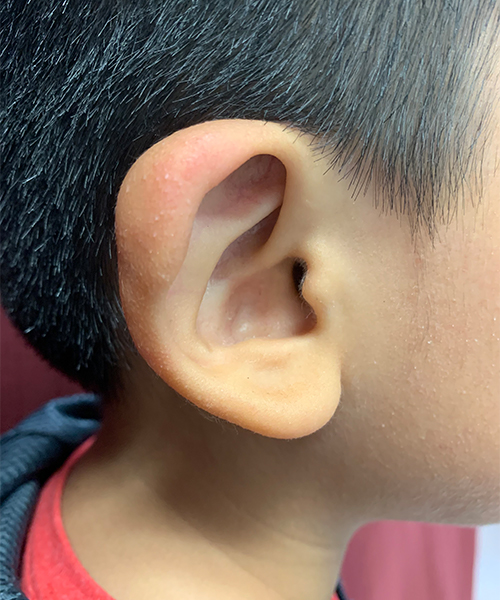
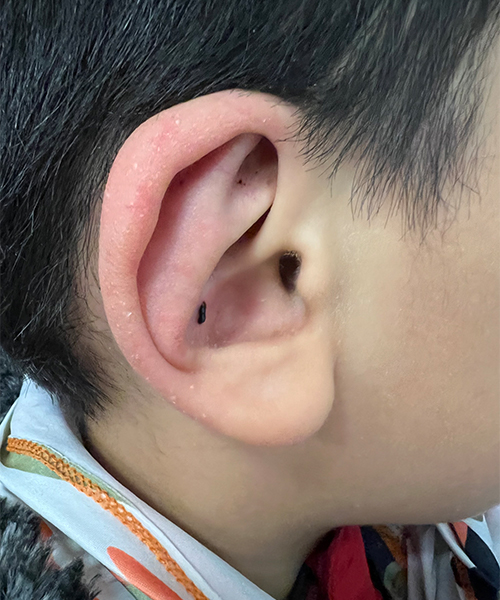
Otoplasty is a surgical procedure used to correct ears that stick out too far from the side of the head or that have an unnatural shape. It is one of the most common plastic surgery procedures performed for congenital ear conditions, and it can also improve large or stretched earlobes. During surgery, Dr. Sabry moves the ears closer to the head and refines their shape, helping them look more proportionate with the rest of the face.
Because otoplasty is highly individualized, Dr. Sabry evaluates each patient’s ear cartilage, symmetry, and goals before recommending a surgical plan. Our team also offers earlobe repair for torn, stretched, or damaged earlobes, and the two procedures are sometimes considered together during a consultation. Otoplasty is one of several facial surgery options available at Murray Hill Plastic Surgery.
Who Is a Good Candidate for Otoplasty?
Otoplasty is commonly chosen by both children and adults dealing with a range of ear-related concerns. Good candidates generally include those with:
- Prominent or protruding ears
- Lop ear (a folded-over upper ear)
- Constricted or “cup” ear
- Stahl’s ear (an abnormal cartilage fold)
- Macrotia (overly large ears)
- Noticeable asymmetry between the two ears
Otoplasty is usually performed on children between the ages of 4 and 14. When operating on children, Dr. Sabry prefers to wait until at least ages 6 to 7 to allow the ear cartilage to mature enough to hold sutures well and support optimal correction. Addressing prominent ears at this age can also help a child avoid teasing from school-age peers.
Otoplasty is not limited to children, however. Many adults who have lived with concerns about their ears for years also choose to move forward with correction. As with any surgical procedure, good candidates should be in good general health and have realistic expectations about what otoplasty can achieve.

Why Choose Murray Hill Plastic Surgery & Vein Center for Otoplasty?
At Murray Hill Plastic Surgery & Vein Center, our philosophy is rooted in patient-first care and a conservative, thoughtful approach that prioritizes your safety, comfort, and long-term satisfaction.
Dr. Zakir Sabry brings more than nine years of intensive surgical training to your care, having completed full general surgery training, a plastic surgery residency, and a craniofacial surgery fellowship. He also serves as an Assistant Professor at New York Medical College and has performed more than 1,000 aesthetic procedures. This foundation allows him to approach each breast reduction with deep anatomical understanding, technical precision, and an appreciation for the individuality of every patient’s body.
We don’t upsell, over-operate, or push procedures that don’t serve your needs. Instead, we take the time to understand what you’re experiencing physically and emotionally (and whether surgery is even the right next step). We often say, “less is more,” because our focus is on natural, functional improvement rather than drastic change.
You’ll meet with Dr. Sabry directly from the start, spend real time discussing your goals, and receive a tailored surgical plan that reflects your anatomy, your priorities, and what will genuinely bring you the best outcome. Our team is small, attentive, and easy to reach, and our follow-up care is more personal than what many larger NYC practices offer.
We see you, we hear you, and we treat you like we would treat a family member: with honesty, empathy, and respect.
Why Choose Otoplasty?
Patients pursue ear reshaping surgery for a variety of personal reasons, and the benefits tend to go beyond appearance alone. Otoplasty may offer:
- Repositioning of protruding ears closer to the head
- Improved ear symmetry and proportion
- Better overall facial balance
- A more natural-looking ear contour
- Increased self-confidence and reduced self-consciousness
For many patients, especially children who have experienced teasing, the emotional benefits of otoplasty can be just as meaningful as the physical results.
What Should I Expect During Otoplasty Surgery?
Otoplasty is designed to set the ears back against the head by creating folds and rotating the ears, which helps normalize their appearance. The procedure usually takes anywhere from 45 minutes to 2 hours, depending on the complexity of the correction needed.
During surgery, incisions are made behind each ear, and the underlying cartilage is scored and reshaped. Dr. Sabry uses absorbable sutures to reshape the ear folds, which are placed under the skin. In some cases, a reduction in ear size may also be necessary. When reduction is needed the skin incisions are closed with dissolving stitches that do not need to be removed later. Even when only one ear appears to protrude more than the other, surgery is usually performed on both for the most natural, balanced result. Because incisions are placed behind the ear, any resulting scar is designed to fade over time and is not visible from the front or profile view.

What Happens During Recovery, Downtime, and Aftercare?
Every patient heals differently, but recovery after otoplasty generally follows a predictable pattern:
- First 24 hours:The treated area may be slightly swollen and tender. A comfortable dressing or headband is typically placed to help maintain the new ear position, and rest is advised.
- Week 1:Swelling generally begins to subside, and most patients return to normal daily activities within a few days while avoiding pressure on the ears. Dr. Sabry recommends wearing a headband, especially at night.
- Week 2:Sutures are typically addressed at a follow-up visit, and incision lines become less noticeable as the ears continue to stabilize.
- Weeks 3 to 6:You begin to see refinement in the shape of your ears any remaining swelling resolves.
- 3 months and beyond:Final results are usually well established, with the ears appearing balanced and proportionate.
Patients should understand that some scarring from the incisions may remain, even though it is typically well concealed behind the ear.
What Long-Term Results Should I Expect?
The results of otoplasty are generally long-lasting. Once the cartilage has been reshaped and healing is complete, the ears usually maintain their new position and contour over time. Because incisions are placed behind the ear, scarring is usually well hidden and tends to fade as healing advances. As with any surgical procedure, individual results vary, and Dr. Sabry will discuss what a realistic outcome looks like for your anatomy during your consultation.
Why Choose Murray Hill Plastic Surgery for Otoplasty in NYC?
Dr. M. Zakir Sabry is a fellowship-trained, board-certified plastic surgeon with extensive training in general, plastic, and craniofacial surgery. He is board-certified in plastic surgery, as well as otolaryngology, head and neck surgery, and facial plastic & reconstructive surgery, giving him specialized expertise in the anatomy of the ears, face, and head. Dr. Sabry graduated from New York Medical College, completed his general surgery residency at Saint Vincent’s Hospital and Medical Center in Manhattan, and finished fellowships in plastic and craniofacial surgery. He has practiced in New York City since 2004 and opened his Murray Hill facility in 2020.
At Murray Hill Plastic Surgery, patients meet directly with Dr. Sabry from the first consultation through every follow-up, with no hand-offs to other providers. All procedures are performed personally by Dr. Sabry in the practice’s on-site, QUAD-A accredited operating room, supporting high safety standards and continuity of care in a calm, private setting. Dr. Sabry is also known for his conservative surgical philosophy, taking the time to determine whether a procedure is truly the right fit before recommending surgery.
Schedule Your Otoplasty Consultation in Murray Hill, Manhattan
If prominent, asymmetrical, or misshapen ears have affected your confidence, or your child’s, Dr. M. Zakir Sabry can help you understand whether otoplasty is the right option. Every consultation is unhurried, personalized, and guided directly by Dr. Sabry so you can make an informed decision about your care.
To learn more about otoplasty or to schedule a consultation at Murray Hill Plastic Surgery, call (212) 737-1308 or complete our online contact form. We proudly serve patients throughout New York City, Manhattan, and beyond.
Frequently Asked Questions: Otoplasty in NYC
Is otoplasty only for children?
No. While otoplasty is commonly performed on children between the ages of 4 and 14, many adults also choose to address concerns about their ears that they have lived with for years.
At what age can a child have otoplasty?
Otoplasty is typically performed on children between ages 4 and 14. Dr. Sabry prefers to wait until at least ages 6 to 7 so the ear cartilage has had time to mature, which supports better healing and a more optimal correction.
How long does otoplasty surgery take?
The procedure usually takes anywhere from 45 minutes to 2 hours, depending on the complexity of the correction needed.
Will otoplasty leave a visible scar?
Incisions are made behind the ear, so any resulting scar is designed to fade over time and is not visible from the front or profile views.
Do I need to wear a headband after otoplasty?
Yes, we typically recommend a comfortable headband or dressing after surgery, especially at night during the early healing phase, to help protect the ears and maintain their new position.
Can otoplasty correct ear asymmetry?
Yes. Otoplasty can improve asymmetry by adjusting the shape, position, or projection of one or both ears. Even when only one ear protrudes, surgery is usually performed on both for the most balanced result.
Are the results of otoplasty permanent?
The results are generally long-lasting. Once the cartilage is reshaped and fully healed, the ears generally maintain their new position and contour over time.