

Tummy Tuck in NYC
Reclaim Your Comfort. Renew Your Figure.
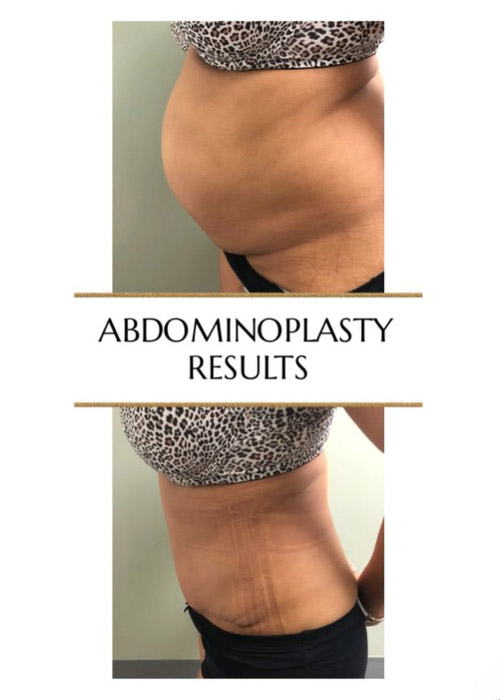
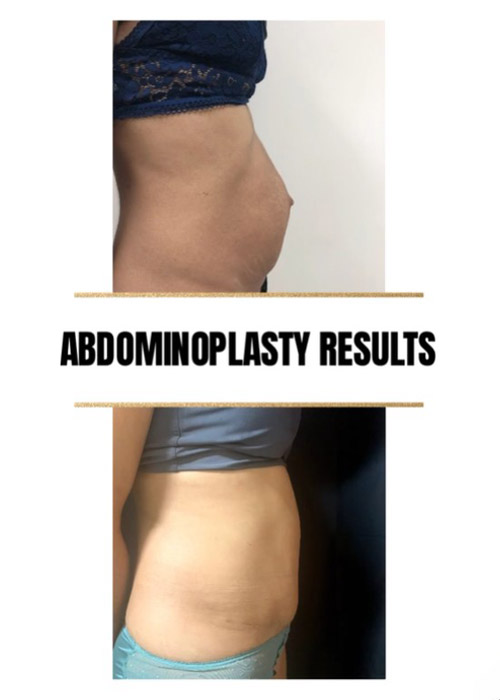
Murray Hill Plastic Surgery can resolve this problem through a tummy tuck in NYC. Our surgeon, Dr. M. Zakir Sabry, has over 20 years of experience performing different types of tummy tucks. He makes the belly look young and beautiful by tightening abdominal muscles and removing excess skin and fat. With our innovative techniques and advanced technology, patients can achieve their dream shape with maximum comfort.
Quick Links
What Is a Tummy Tuck?
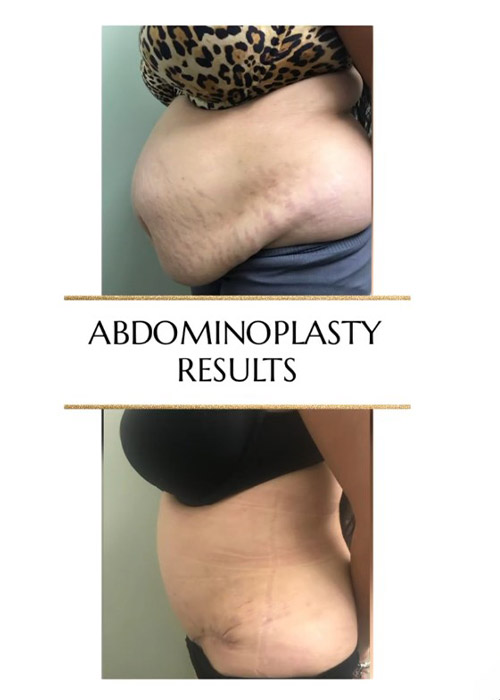
A tummy tuck is a cosmetic surgical procedure that improves the appearance of the stomach. The main goal of this operation is to remove excess skin and tighten muscles in the abdominal wall, resulting in a flatter, firmer, and more youthful-looking midsection. A tummy tuck leaves some scarring, but it can be hidden by underwear or swimsuits. This surgery is also called an abdominoplasty.
What Are the Types of Tummy Tuck?
Regular Tummy Tuck
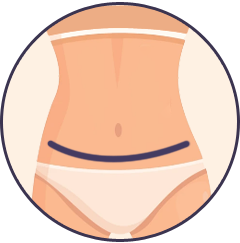
Dr. Sabry performs regular tummy tucks with a low-lying horizontal incision that can be easily concealed. Excess fat and skin are removed, while the upper and lower abdominal muscles are repaired. Dr. Sabry may perform liposuction in combination with a traditional tummy tuck to further contour the abdomen and waistline. Skin is then redraped, and the navel is repositioned to its original location. Small drainage tubes are placed and maintained for 3 to 5 days.
Mini Tummy Tuck
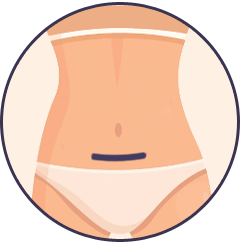
It focuses solely on the lower abdomen below the belly button.
During a mini tummy tuck, excess tissue is removed from the lower stomach, and the remaining skin is tightened.
This procedure can help improve the appearance of stretch marks and loose skin after pregnancy or weight loss.
Unlike a full abdominoplasty, a mini tummy tuck requires less recovery time.
The surgery creates more subtle improvements in contour and profile.
Extended Tummy Tuck
It removes excess skin and fat from the abdomen, flanks, lower back, and other areas.
The extended tummy tuck helps to reshape the entire midsection to achieve a more contoured physique.
Due to more significant incisions, this surgery often requires a longer recovery period than standard abdominoplasty.
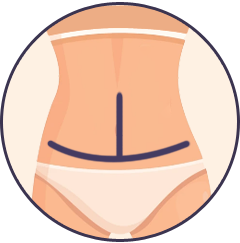
Fleur-de-Lis Abdominoplasty
The vertical cut gives the resulting scar the shape of a lily flower.
This technique tightens vertical abdominal muscles and removes loose skin in the middle and lower abdomen.
It is useful for correcting severe sagging and separated abdominal muscles caused by pregnancy.
The fleur-de-lis abdominoplasty achieves dramatic reshaping and flattening of the entire abdominal area.
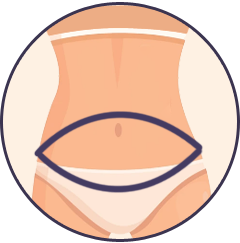
High Lateral Tension Abdominoplasty
Regular abdominoplasty tightens muscles mainly in a vertical line.
HLTA emphasizes both horizontal and vertical tightening.
This approach removes more skin from the flanks, giving a more sculpted appearance and a beautiful lift to the upper thigh and pubic area.
HLTA naturally preserves blood supply to the abdomen and lowers some of the risks of traditional abdominoplasty techniques.
As a result, patients get a much flatter midsection with a better-defined waistline.
What Happens During a Tummy Tuck Consultation?
During a tummy tuck consultation, Dr. M. Zakir Sabry answers all questions about the procedure and discusses any safety concerns related to the surgery. The doctor reviews a complete medical history and performs physical examinations. He evaluates the belly, the quality of abdominal skin, the location of any existing scars, the amount of excess fat, and the status of the underlying muscles. In addition, Dr. Sabry records weight to determine whether the person is a good candidate for surgical tummy tuck procedures or less invasive treatments.
Every patient is different. Depending on their goals and anatomy, Dr. Sabry may recommend an alternative treatment, such as a mini tummy tuck, liposuction, or a panniculectomy (a procedure that reduces the hanging skin in the abdominal area). He also discusses scar placement and length with the patient before the surgery. Such education is a very important component of Dr. Sabry’s pre-procedural process. If the patient is a smoker, they are asked to quit consuming nicotine for 6-8 weeks. As the surgery date approaches, the patient is invited to our office for a comprehensive preoperative visit. A complete list of “dos and don’ts” is reviewed, and Dr. Sabry answers any remaining questions. The patient is instructed to avoid all medication and supplements that have a blood-thinning effect (aspirin, ibuprofen, vitamin E, and others) for two weeks before surgery. Essential blood work for preoperative testing is also ordered. All of these preparations are crucial for proper recovery and achieving the best results.
What Happens During the Tummy Tuck Procedure?
1. Anesthesia
General anesthesia is the standard choice for tummy tucks because it helps to keep the patient comfortable and pain-free. We want every person to remember only the best aspects of their transformative journey.
2. Incisions
Dr. Sabry makes a horizontal incision just above the pubic area, typically around 3-5 inches across. This lets the abdominal skin lift to expose the muscle and fat underneath. Additional incisions are made around the belly button to detach it from the surrounding skin.
3. Tightening of Abdominal Muscles
With the skin lifted, the muscles are tightened by sewing them closer together using sutures. This abdominoplasty procedure helps create a flatter, firmer belly and narrower waistline. Any separated muscles from pregnancy are repaired.
4. Fat Removal & Skin Redraping
Excess fat deposits are trimmed and suctioned out of the belly area. The remaining lower abdominal skin is then stretched down, and the excess tissue is removed. The belly button is repositioned through a new hole in the skin, leaving a scar around the navel, which becomes inconspicuous after healing.
5. Closing Incisions
Finally, the surgeon closes all incisions with sutures, surgical tape, or skin adhesives. Temporary drainage tubes may also be inserted under the skin to prevent fluid build-up. The procedure is now complete.
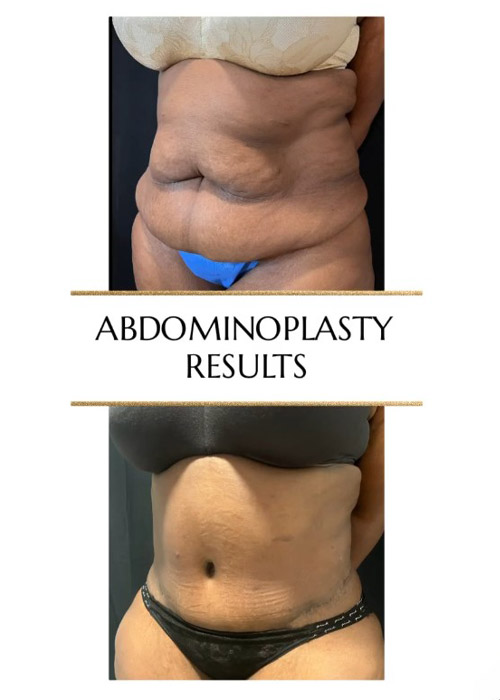
What Can I Expect During the Recovery After Tummy Tuck Surgery?
WEEKS 1-4
Some patients return home the same day, while others return home the next day. For the first few days after surgery, you will experience pain, swelling and soreness, which can usually be managed with painkillers. Patients must refrain from standing up entirely straight during this early period to avoid complications. We recommend wearing compression garments for two weeks after surgery.
MONTHS 2-9

Why Choose Murray Hill Plastic Surgery for Tummy Tuck?
At Murray Hill Plastic Surgery, our philosophy is rooted in patient-first care and a conservative, thoughtful approach that prioritizes your safety, comfort, and long-term satisfaction.
Dr. M. Zakir Sabry brings more than nine years of intensive surgical training to your care, having completed full general surgery training, a plastic surgery residency, and a craniofacial surgery fellowship. He also serves as an Assistant Professor at New York Medical College and has performed more than 1,000 aesthetic procedures. This foundation allows him to approach each Tummy Tuck with deep anatomical understanding, technical precision, and an appreciation for the individuality of every patient’s body.
We don’t upsell, over-operate, or push procedures that don’t serve your needs. Instead, we take the time to understand what you’re experiencing physically and emotionally (and whether surgery is even the right next step). We often say, “less is more,” because our focus is on natural, functional improvement rather than drastic change.
You’ll meet with Dr. Sabry directly from the start, spend real time discussing your goals, and receive a tailored surgical plan that reflects your anatomy, your priorities, and what will genuinely bring you the best outcome. Our team is small, attentive, and easy to reach, and our follow-up care is more personal than what many larger NYC practices offer.
We see you, we hear you, and we treat you like we would treat a family member: with honesty, empathy, and respect.

Who Are Candidates for a Tummy Tuck?
A tummy tuck is one of the most common procedures in the U.S. It can help many people restore their youthful contours and look better. Here are the characteristics of candidates for this surgery:
- Men and women who are in good health and near their ideal weight.
- Women who had a pregnancy and are not planning to have more kids.
- Men and women who were once obese and still have excess fat deposits or loose skin around the belly.
Who Should Not Consider a Tummy Tuck?
- Women who want to get pregnant in the future.
- Men and women who are planning to lose a lot of weight.
Although tummy tuck results are technically permanent, the positive outcome can be greatly diminished by significant weight fluctuations. An abdominoplasty is not a substitute for weight loss or an appropriate exercise program.
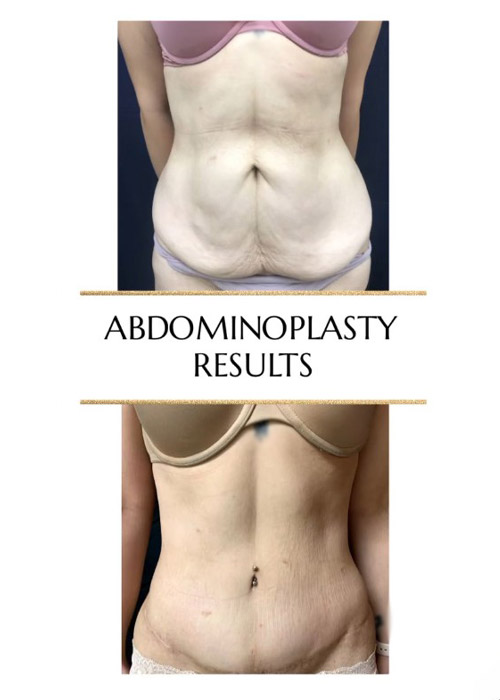
What Is the Cost of Tummy Tuck in NYC?
Tummy tuck surgery cost in NYC ranges from $5,000 to $15,000. For an extended or fleur-de-lis abdominoplasty that involves tightening muscles and removing a lot of excess skin, patients can expect to pay between $10,000 and $15,000 in total. More affordable options like a mini-tummy tuck typically range from $5,000 to $8,000. Therefore, the costs depend on the type of procedure and other factors, such as the surgeon’s credentials and location.
To find a good specialist for a tummy tuck, NYC residents usually have to put a lot of effort into searching and studying different options. Murray Hill Plastic Surgery can help them save time and money because we combine all of the benefits – top-level care, competitive prices, and a highly skilled surgeon. During an initial consultation, Dr. Sabry will share all of the crucial information and give an accurate cost estimate based on the patient’s aesthetic goals and needs.
What Are the Benefits of Tummy Tuck?
When diet and exercise fail to tighten loose, sagging skin after pregnancy or significant weight loss, many patients turn to plastic surgery for a firmer, flatter stomach. Abdominoplasty requires some recovery time and carries risks like any surgery. However, it may benefit patients seeking dramatic improvements. This surgery can change many areas of people’s lives, including intimate relationships and careers.
Tummy tuck is one of the best options to address this problem. Here are the main benefits of this surgery:
- Removes excess, loose skin that creates an overhanging pouch
- Tightens weak or separated muscles to create a smoother, firmer abdominal profile
- Reduces the appearance of stretch marks, especially below the belly button
- Creates a more youthful look for the stomach area
- Boosts self-confidence for many individuals
- Provides long-lasting results if patients maintain a stable weight
How Is Dr. Sabry's Approach To Tummy Tuck Different From Others?
Murray Hill Plastic Surgery provides excellent care and results – be it a tummy tuck or any other procedure. Dr. Sabry is a fellowship-trained plastic surgeon specializing in cosmetic and reconstructive procedures. His extensive education and over 20 years of experience enable him to achieve natural-looking outcomes tailored to each patient’s unique anatomy.
Our center also focuses on techniques that minimize recovery time. By combining surgical expertise with the latest technology and a patient-centered approach, Murray Hill Plastic Surgery is an exceptional choice for tummy tucks and other body contouring procedures.
Schedule Your Murray Hill Tummy Tuck Surgery
When you’re ready, we’re here to walk this journey with you. To get started, simply contact us online or call (212) 737-1308 to schedule your consultation with Dr. Sabry and our team today. We are located in Murray Hill, Manhattan, and proudly serve patients visiting from NYC, New York State, and throughout the nation.
Tummy Tuck FAQs
Is a tummy tuck painful, and how is discomfort managed afterward?
Most patients experience some soreness, tightness, and discomfort in the days following surgery, particularly as the abdominal muscles heal. Pain is generally well controlled with prescribed medication, and discomfort typically eases significantly within the first 1 to 2 weeks.
Will I need surgical drains after my tummy tuck, and how long do they stay in place?
Many patients have one or two small drains placed after surgery to remove excess fluid and reduce swelling. Drains are typically removed within the first one to two weeks during a follow-up visit, once drainage has slowed sufficiently.
How long before I can return to work after a tummy tuck?
Most patients who work at a desk job can expect to return within 2 to 3 weeks, while those with more physically demanding jobs may need 4 to 6 weeks or longer. Your surgeon will tailor this timeline to your individual healing progress.
Can a tummy tuck remove stretch marks?
A tummy tuck removes excess loose skin, so stretch marks located below the belly button in the area that is excised are typically removed along with it. Stretch marks located above the belly button or on remaining skin will not be eliminated, though skin tightening may improve their overall appearance.
How long do tummy tuck results last, and can I gain the weight back?
Tummy tuck results are designed to be long-lasting, since excess skin and fat are surgically removed. However, significant weight gain or future pregnancy can stretch the remaining skin and abdominal muscles, which may compromise your results over time.
What's the difference between a tummy tuck and liposuction alone?
Liposuction removes excess fat but does not address loose or excess skin or separated abdominal muscles. A tummy tuck removes excess skin, tightens the underlying muscles, and can be combined with liposuction to further refine the waistline and overall contour.
Can a tummy tuck be combined with a breast lift or augmentation (mommy makeover)?
Yes. Many patients choose to combine a tummy tuck with breast procedures, such as a breast lift or augmentation, in a single surgery often referred to as a mommy makeover. Combining procedures can mean one recovery period instead of several.
How should I sleep after a tummy tuck?
Most patients are advised to sleep in a slightly reclined or elevated position, often with pillows supporting the knees, to reduce tension on the abdominal incision. This position is generally recommended for the first 1 to 2 weeks of recovery.
When can I stand up straight and walk normally again?
Because the abdominal muscles are tightened during surgery, most patients walk in a slightly hunched position for the first several days. Most are able to stand more upright within 1 to 2 weeks, with a fully normal posture returning within a few weeks after that.
Does insurance ever cover any portion of a tummy tuck?
A traditional tummy tuck is considered a cosmetic procedure and is not covered by insurance. In some cases, a related procedure called a panniculectomy may be partially covered if performed for medical reasons, which your surgeon can discuss during your consultation.
When can I resume exercise or working out after a tummy tuck?
Light walking is encouraged early in recovery to support circulation, and low-impact activity can often resume around 2 to 4 weeks. More strenuous exercise, including core work and heavy lifting, is typically delayed for at least 4 to 6 weeks or until your surgeon clears you.
Can a tummy tuck repair diastasis recti (abdominal muscle separation) from pregnancy?
Yes. During a tummy tuck, separated abdominal muscles are brought back together and secured with sutures, which can significantly improve diastasis recti caused by pregnancy and restore a firmer abdominal wall.
Is a tummy tuck an option for men?
Yes, tummy tucks are performed on men as well as women. Male patients often seek the procedure after significant weight loss or to address loose skin and muscle laxity that doesn’t respond to diet and exercise.
How long will I need someone to help me at home after surgery?
Most patients need help with daily tasks for the first few days to a week after surgery, since bending, lifting, and reaching may be limited. Arranging for a friend or family member to assist during this early recovery period is recommended.
Will I experience numbness in my abdomen after a tummy tuck?
Temporary numbness or altered sensation in the abdominal skin is common after a tummy tuck, since some nerves are affected during surgery. Sensation typically improves gradually over several months as the nerves heal.
Is there an ideal age for a tummy tuck?
There is no single ideal age for a tummy tuck. Rather than age, candidacy is based on overall health, stable weight, and whether you have completed your family planning, since future pregnancies can affect results.
Can smoking affect my eligibility or results?
Smoking can impair circulation and slow wound healing, increasing the risk of complications after a tummy tuck. Patients who smoke are typically asked to stop for a period of time before and after surgery to support safe healing.
What is the difference between a tummy tuck and a panniculectomy?
A panniculectomy removes excess overhanging skin and tissue (the pannus) without tightening the abdominal muscles, and is often performed for medical reasons, such as skin irritation or hygiene concerns. A tummy tuck includes muscle repair and is typically performed for cosmetic body contouring, though the two procedures are sometimes combined.