
Rhinoplasty Revision in NYC
Feel Comfortable. Look Confident.
Quick Links
What Is a Rhinoplasty Revision?
Revision rhinoplasty is a secondary surgical procedure performed to correct or improve the results of a previous nose surgery. It may require the nose to be reduced in size or reshaped at the tip or along the bridge. Other common problems are drooping tips, wide nostrils, and over- or under-correction.
Since the issues vary for each patient, revision rhinoplasty surgery must be tailored to each individual’s unique needs. The procedures may be as simple as removing some cartilage or bone. Dr. Sabry prefers to use your body’s natural cartilage to restructure a nose that has had too much cartilage removed or requires additional support.
What Are the Rhinoplasty Revision Techniques?
A majority of revision rhinoplasty procedures are performed using the open rhinoplasty technique. However, there are some that Dr. Sabry will do using the closed technique. The decision will be made based on the patient’s anatomy and the specific problems to be corrected. He is an expert at striking a perfect balance to the face and strengthening the weakened underlying structure of the nose to improve appearance and functionality.
Open Technique
The open technique is often preferred for revision procedures, especially when significant changes are needed or when an initial rhinoplasty has compromised the internal structure. This method involves a small incision at the base of the nose, allowing Dr. Sabry complete visibility and access to the underlying cartilage and bone. With this approach, he can precisely reshape or rebuild the nasal framework, often using cartilage grafts to restore support and symmetry. The open technique is ideal for complex revisions where prior surgery has altered the natural anatomy.
Closed Technique
In select cases, Dr. Sabry may opt for the closed technique, particularly when the issues are limited, and the previous procedure involved a closed rhinoplasty. This approach involves incisions made inside the nostrils, resulting in no visible external scarring. While it offers a quicker recovery, it’s best suited for patients whose nasal structure remains relatively intact and only minor adjustments are required. For patients who had a closed rhinoplasty in the past, this method can be an effective and less invasive option when appropriate.
What Can I Expect During The Initial Consultation?
During your revision rhinoplasty consultation with Dr. Sabry, he will address any questions you may have about the procedure and discuss any safety concerns related to the surgery. A thorough evaluation of your nasal structure, skin condition, and the results of your prior surgery will help guide the surgical plan. Dr. Sabry will also review your medical history and any past surgical records, if available, to better understand the techniques previously used and how they may impact your revision. This personalized approach ensures that your goals and expectations are aligned with what can realistically and safely be achieved.
What Can I Expect During Rhinoplasty Revision Surgery?
Anesthesia
Revision rhinoplasty is typically performed under general anesthesia to ensure patient comfort and safety throughout the procedure. This enables Dr. Sabry to work with precision while minimizing movement and discomfort during the procedure. Local anesthesia with sedation is also an option in some cases.
Incisions
The location and type of incisions depend on whether the open or closed technique is used. In the open approach, a small incision is made at the base of the columella (between the nostrils) to lift the nasal skin and expose the internal framework. The closed technique involves incisions placed inside the nostrils, offering access without external scarring. The choice of technique is based on the complexity of the revision and the degree of correction required.
Scar Tissue Removal
One of the primary challenges in revision rhinoplasty is the presence of scar tissue from a previous operation. This tissue can obscure anatomical landmarks and complicate dissection. Dr. Sabry carefully removes or releases scar tissue as needed to restore normal anatomy and provide a stable foundation for reconstruction.
Structural Adjustments
Revision procedures often involve reshaping or reinforcing the nasal bones and cartilage to correct deformities or restore structural integrity. If too much cartilage was removed during the initial procedure, Dr. Sabry may use grafts to rebuild the nose and provide support. These grafts are often harvested from the patient’s ear cartilage, which is well-suited for delicate structural work.
Final Adjustments and Closure
After the necessary corrections are made, the nasal skin is redraped over the newly structured framework. The incisions are meticulously closed to minimize scarring, and internal support structures such as splints or packing may be placed to maintain stability during the initial healing phase.
Why Choose Murray Hill Plastic Surgery For Rhinoplasty Revision?
At Murray Hill Plastic Surgery, our philosophy is rooted in patient-first care and a conservative, thoughtful approach that prioritizes your safety, comfort, and long-term satisfaction.
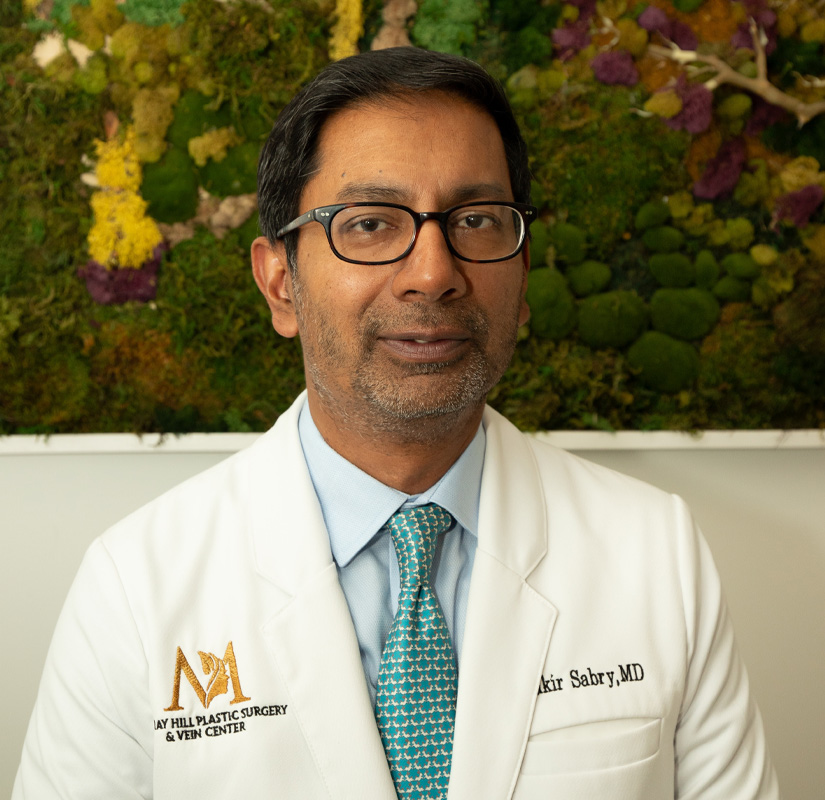
Dr. Zakir Sabry brings more than nine years of intensive surgical training to your care, having completed full general surgery training, a plastic surgery residency, and a craniofacial surgery fellowship. He also serves as an Assistant Professor at New York Medical College and has performed more than 1,000 aesthetic procedures. This foundation allows him to approach each breast reduction with deep anatomical understanding, technical precision, and an appreciation for the individuality of every patient’s body.
We don’t upsell, over-operate, or push procedures that don’t serve your needs. Instead, we take the time to understand what you’re experiencing physically and emotionally (and whether surgery is even the right next step). We often say, “less is more,” because our focus is on natural, functional improvement rather than drastic change.
You’ll meet with Dr. Sabry directly from the start, spend real time discussing your goals, and receive a tailored surgical plan that reflects your anatomy, your priorities, and what will genuinely bring you the best outcome. Our team is small, attentive, and easy to reach, and our follow-up care is more personal than what many larger NYC practices offer.
We see you, we hear you, and we treat you like we would treat a family member: with honesty, empathy, and respect.
Who Are Candidates for Rhinoplasty Revision?
Revision rhinoplasty is a highly individualized procedure, often sought by those who are unsatisfied with the outcome of a previous surgery. Patients may seek correction for cosmetic or functional concerns that were not adequately addressed or that developed over time. Here are the typical characteristics of candidates:
- Unsatisfactory results from a primary rhinoplasty
- Persistent asymmetry or a crooked nose
- Structural collapse or visible nasal deformities
- Over-rotated, under-projected, or irregular nasal tip
- Internal damage or obstruction involving the nasal septum
- Development of a nasal septal perforation after surgery
- Functional issues such as breathing difficulties
- Complications caused by poor wound healing
- Stable health and realistic expectations
What Can I Expect During Recovery After Rhinoplasty Revision?
First 24 Hours
Within the first day after surgery, patients typically experience swelling, bruising, and mild discomfort. Cold compresses and prescribed medication help manage these early symptoms. Keeping the head elevated at all times is essential to minimize swelling and promote proper drainage. Some bleeding or drainage from the nose may occur, which is normal during this initial phase.
Week 1
During the first week, most of the acute swelling and bruising begin to subside. Nasal splints or internal supports, if placed during surgery, are typically removed around day 5 to 7. Rhinoplasty patients often report a feeling of nasal obstruction, which is usually due to internal swelling rather than any structural issue. Activity should remain limited, and rest continues to play a key role in the healing process.
Weeks 2 to 4
By the second week, most patients begin to feel more comfortable returning to light daily activities, although strenuous exercise and any activity that risks facial impact must still be avoided. Swelling continues to improve, but some degree of puffiness may persist, especially around the nasal tip. Residual internal swelling may still cause mild breathing difficulty, which gradually improves.
One to Three Months
Throughout the next several weeks, the nasal shape begins to refine as swelling slowly decreases. The tip may still appear swollen, and the nose may feel firm to the touch. Patients are closely monitored during this phase to ensure that healing is progressing correctly. The recovery period during these months is crucial for achieving long-term results, as subtle changes continue to occur beneath the skin.
Three Months and Beyond
By three months, a more defined nasal contour becomes visible, though final results may take up to a year to fully develop. Any lingering nasal obstruction is typically resolved by this stage, assuming there are no underlying structural concerns. Follow-up visits are spaced further apart, and care focuses on maintaining long-term nasal function and aesthetics.
What Are the Benefits of Rhinoplasty Revision?
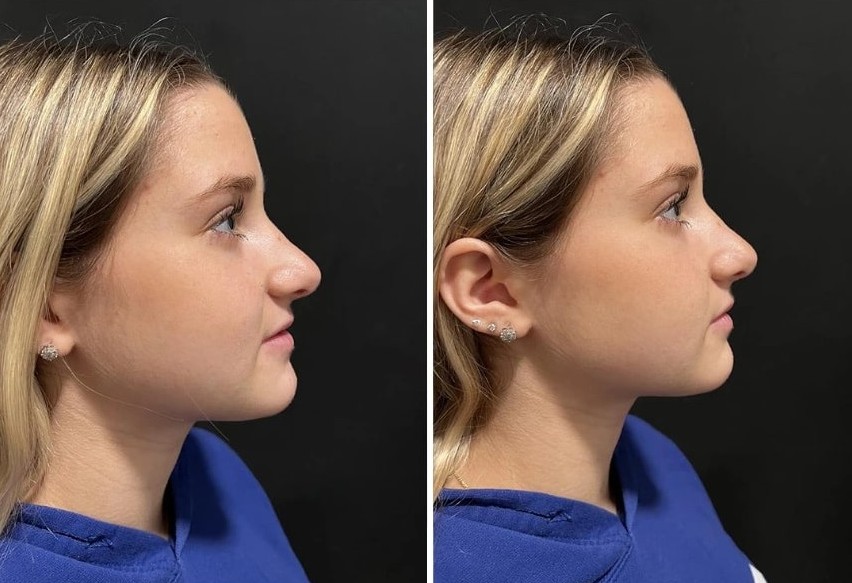
When concerns remain after a previous nasal surgery, revision nose surgery can offer both cosmetic and functional improvements. Performed with precision and care, this procedure addresses unresolved issues from the initial procedure and helps restore balance to the face. Patients can receive many benefits from revision rhinoplasty:
- Improved nasal symmetry
- Correction of irregular contours
- Restoration of proper nasal breathing
- Enhanced support of the nasal structure
- Refinement of tip definition and shape
- Better facial harmony and profile balance
- Resolution of complications from prior surgery
How Much Does Revision Rhinoplasty Cost in New York City?
Schedule Your Murray Hill Rhinoplasty Revision Surgery
Located in the heart of Manhattan, Murray Hill Plastic Surgery offers advanced facial aesthetic procedures performed with precision and care. With a reputation for excellence, our rhinoplasty surgeon, Dr. Sabry, brings years of experience and exceptional surgical skills to every case. From complex revisions to primary rhinoplasty procedures, our practice is known for achieving natural, balanced results tailored to each patient’s unique facial structure.
When you’re ready, we’re here to walk this journey with you. To get started, simply contact us online or call (212) 737-1308 to schedule your consultation with Dr. Sabry and our team today. We are located in Murray Hill, Manhattan, and proudly serve patients visiting from NYC, New York State, and throughout the nation.
Frequently Asked Questions: Rhinoplasty Revision in NYC
How long should I wait after a previous surgery to undergo a nose job revision?
It is generally recommended to wait at least 12 months after a previous rhinoplasty surgery before considering a revision. This allows the nasal tissues to heal fully and the final results of the initial procedure to settle, providing a more precise assessment for any necessary adjustments.
Is rhinoplasty revision considered reconstructive surgery?
Yes, rhinoplasty revision can be considered reconstructive surgery because it aims to improve both the appearance and function of the nose. While it addresses cosmetic concerns, it also corrects structural issues that may affect breathing.
Will a secondary nose surgery provide natural-looking results?
A secondary surgery following a previous rhinoplasty procedure can achieve excellent and natural-looking aesthetic outcomes when performed by an experienced surgeon, such as Dr. Sabry, who understands the unique challenges of revision surgery.
Is revision rhinoplasty performed under general or local anesthesia?
Revision rhinoplasty is typically performed as an outpatient procedure under general anesthesia to ensure patient comfort and allow for precise surgical work.
How does nasal anatomy impact the outcome of a rhinoplasty revision?
Each patient’s unique nasal anatomy plays a crucial role in the success of a cosmetic rhinoplasty. Factors like cartilage strength, skin thickness, and previous surgical changes influence both the approach and the achievable results.
Is it safe to combine a rhinoplasty revision with other cosmetic plastic surgeries?
Combining a revision nose job with procedures such as neck surgery can be safe and efficient when carefully planned, allowing patients to achieve multiple aesthetic goals during a single surgical session.
Why is it crucial to choose a board-certified facial plastic surgeon?
Choosing an experienced professional like Dr. Sabry, who is a board-certified surgeon, ensures specialized knowledge and skill, especially important when addressing complex cases after a first surgery to minimize risks and optimize results.