
Rhinoplasty in NYC | Nose Surgery with Dr. M. Zakir Sabry
Enhance Appearance. Improve Function.
Patients often seek rhinoplasty (nose surgery) to improve their nose’s appearance, function, or a combination of both. While patients often want to improve the shape or position of their nose, they must also realize that the nose is a focal part of the face that interacts with the balance of other facial features. It takes a high level of skill for a surgeon to improve the appearance of the nose, preserve breathing functionality, and keep the nose balanced with the other features.
At Murray Hill Plastic Surgery in New York City, board-certified plastic surgeon Dr. M. Zakir Sabry approaches rhinoplasty with a careful balance of artistry, structural understanding, and restraint. Dr. Sabry’s goal is to perform the procedure correctly the first time in a way that improves the appearance of your nose, preserves harmony with your other facial features, and supports healthy airflow. He performs every operation with an emphasis on subtlety, so you still look like yourself, just with the natural-looking refinements you were hoping to achieve.
If you’re considering rhinoplasty in NYC, we invite you to learn about your options with Dr. Sabry. We invite you to contact us at (212) 737-1308 to book a consultation in our Manhattan office.
Quick Links
What Is Rhinoplasty?
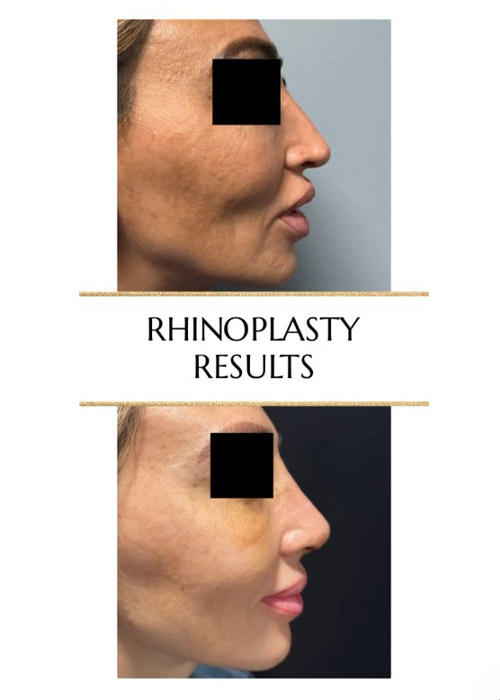
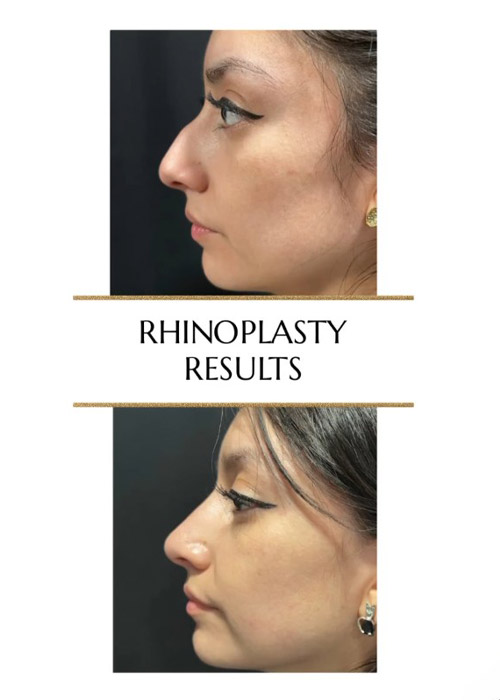
Rhinoplasty, which is also commonly referred to as a nose job or cosmetic nose surgery, is a facial plastic surgery procedure designed to reshape or reposition the nose. People choose rhinoplasty for cosmetic reasons, functional reasons, or a combination of both. A highly skilled plastic surgeon will modify the bone, skin, cartilage, and internal structures to address concerns such as:
- A dorsal hump
- A wide or asymmetrical nose
- A drooping, bulbous, or poorly defined tip
- Nostrils that are too wide or uneven
- A nose that feels out of proportion with the rest of the face
- Structural issues that interfere with breathing
Cosmetic vs. Functional Rhinoplasty
During your visit, you can expect:
Some patients seek rhinoplasty primarily to change the appearance of their nose, while others are focused on correcting breathing problems. Dr. Sabry evaluates both aspects during every consultation, as they are closely connected.
- Cosmetic rhinoplasty focuses on refining the visible shape and proportions of the nose to better complement the rest of the face.
- Functional rhinoplasty addresses internal structural problems, such as a deviated septum or nasal valve collapse, which restrict airflow and cause chronic congestion or breathing difficulty.
In many cases, these goals can be addressed together in a single procedure, allowing for both aesthetic refinement and improved nasal function.
What Makes Dr. Sabry’s Rhinoplasty Approach Different?
Rather than relying on a rigid formula, he carefully evaluates:
Dr. Sabry approaches rhinoplasty as a problem-solving procedure that requires adaptability, judgment, and respect for facial anatomy. No two noses are the same, and no single technique works for every patient.
- Your facial proportions and symmetry
- Skin thickness and quality
- Cartilage strength and structure
- Bone anatomy
- Breathing function and airflow
- How the nose fits with the rest of your features
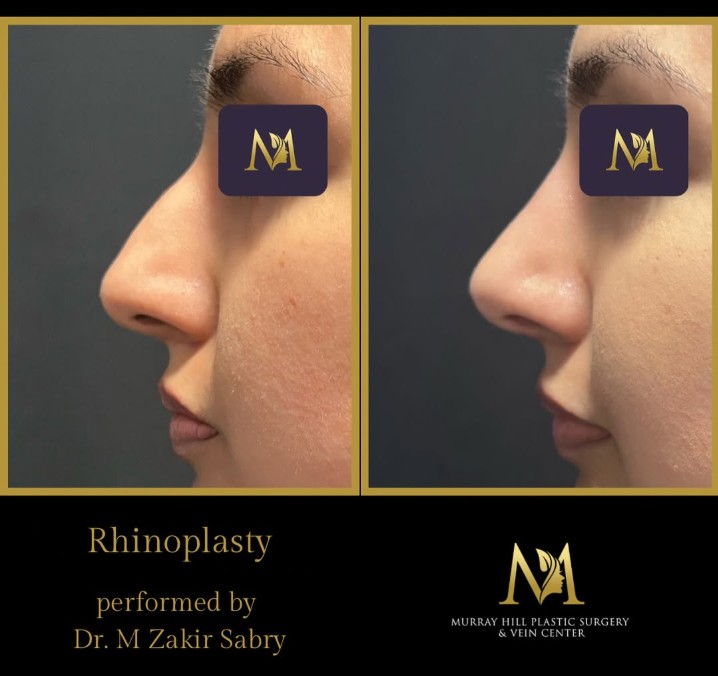
His philosophy is conservative and precise: refine what needs improvement, preserve what works, and avoid unnecessary changes. The goal is a nose that looks natural, functions well, and ages gracefully with your face. Dr. Sabry’s background in craniofacial and reconstructive surgery gives him a deep understanding of complex nasal anatomy, allowing him to safely navigate both cosmetic refinements and structural corrections.
Why Choose Murray Hill Plastic Surgery for Rhinoplasty?
At Murray Hill Plastic Surgery, our approach to rhinoplasty is guided by a patient-first philosophy and a commitment to doing only what truly benefits you, whether that means subtle refinement, functional correction, or a combination of both.
Dr. M. Zakir Sabry completed more than nine years of surgical training, including full general surgery training, a plastic surgery residency, and a craniofacial surgery fellowship. He serves as an Assistant Professor at New York Medical College and has performed over 1,000 aesthetic procedures. This depth of experience allows him to approach rhinoplasty with precision, restraint, and a sophisticated understanding of nasal anatomy, facial balance, and airway mechanics.
We don’t oversell surgery or promise unrealistic outcomes. If rhinoplasty isn’t the right solution, or if a different approach, such as septoplasty or non-surgical treatment, would better serve your goals, we will tell you honestly. Our focus is thoughtful planning, natural-looking results, and long-term satisfaction.
From your initial consultation through recovery, you’ll work directly with Dr. Sabry and a small, attentive team that remains accessible, involved, and committed to personalized care every step of the way.
Your Rhinoplasty Consultation Experience
When you come in for your consultation, it’s just you and Dr. Sabry, no coordinators or assistants. He likes to keep these appointments relaxed and thorough so that there’s plenty of time to talk everything through openly and honestly. The goal is to make sure you walk out feeling educated, heard, and with clear expectations.
Many patients find it helpful to come back for a second (or even third) visit before deciding on surgery. Dr. Sabry is all about making sure you two are on the same page and that you feel completely confident and informed before taking the next step. There’s zero pressure to schedule right away; it’s about getting it right for you.
In the visit, Dr. Sabry will typically:
- Sit down and genuinely listen to what bothers you about your nose and what you’re hoping to achieve
- Take a close look at your nose both inside and out to understand its structure
- Check how well you’re breathing right now
- Ask about any past injuries, broken noses, or previous surgeries you’ve had
- Go over the different surgical approaches that could work for you, along with what’s realistically possible (and what might not be)
- Answer every single question you have without rushing or brushing anything off
Open Rhinoplasty Technique
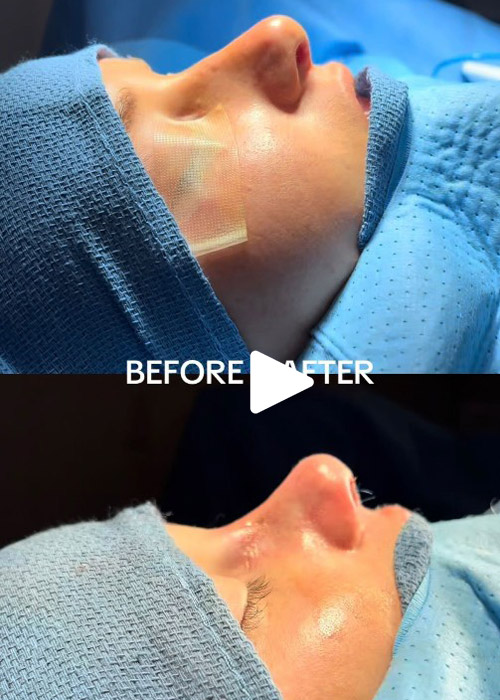
Dr. Sabry most often performs rhinoplasty using an open approach, which allows for direct visualization of the nasal framework. This technique involves a small incision placed discreetly along the columella (the narrow strip of skin between the nostrils), along with incisions inside the nose.
The open approach allows Dr. Sabry to:
- Precisely sculpt cartilage and bone
- Correct asymmetries with greater accuracy
- Place grafts when needed for support or contour
- Address both cosmetic and functional concerns safely
Once the desired changes are made, the skin is carefully redraped, and incisions are closed with meticulous attention to detail. A splint is typically placed to support healing and maintain alignment during recovery.
What the Day of Your Rhinoplasty Surgery Is Actually Like
Your procedure takes place right in our Quad-A accredited operating suite here at the office, so everything’s convenient and familiar. You’ll want to show up early that morning. Once you’re here, you’ll get to meet the anesthesia team, who will go over everything with you to make sure you’re comfortable and answer any last-minute questions. Then Dr. Sabry will visit with you to review the final plan and mark things out one more time.
The rhinoplasty surgery itself is done under general anesthesia, so you’ll be completely unconscious and won’t feel or remember anything. Depending on how complex your case is (everyone’s nose is different), the actual operating time usually runs anywhere from 1 to 3 hours.
When it’s over, you’ll wake up in recovery with one of our experienced PACU nurses keeping a close eye on you. Most people feel groggy at first but quickly recover. Once you’re awake, stable, and cleared to go, you head home the same day, but you’ll need someone to drive you and stay with you for the first day.
Rhinoplasty Recovery Timeline
Recovery varies from patient to patient, but most experience gradual improvement over time as swelling resolves.
- Early Recovery: Swelling, bruising, and nasal congestion are common in the first week. Discomfort is typically mild and well-managed with prescribed medication.
- First Few Weeks: Most patients return to work and social activities within 1 to 2 weeks, depending on their comfort level. Swelling continues to improve, though subtle changes may take longer to settle.
- Long-Term Results: The nose continues to refine over several months. Final results develop gradually and are designed to look natural and balanced long-term.
Dr. Sabry monitors healing closely with scheduled follow-up visits and remains accessible throughout your recovery.
Schedule Your Rhinoplasty Consultation in NYC
If you’ve been feeling self-conscious about the shape of your nose, or if breathing issues are making everyday things less comfortable, we’d love for you to come in and chat with us here at Murray Hill Plastic Surgery in New York City.
Dr. Sabry will listen carefully to what’s on your mind, walk you through all the realistic options in a clear, straightforward way, and help you decide if rhinoplasty (or another approach) is actually the right fit for you. We look forward to hearing from you!
Contact us online or call (212) 737-1308 to schedule your consultation in Manhattan. We proudly serve patients throughout New York City, Manhattan, and beyond.
Rhinoplasty NYC – FAQs
What is the difference between cosmetic and functional rhinoplasty?
Cosmetic rhinoplasty refines the visible shape and proportions of your nose to better harmonize with your face, like smoothing a hump, refining the tip, or narrowing the bridge. Functional rhinoplasty fixes internal issues that affect breathing, such as a deviated septum or collapsed nasal valves. Dr. Sabry always evaluates both during your consultation because they’re interconnected; many patients get both addressed in one procedure for better appearance and easier breathing.
Am I a good candidate for rhinoplasty?
The best candidates are in good overall health, don’t smoke (or are willing to quit before and after surgery), and have realistic expectations. You’re likely a fit if your nose’s shape or function bothers you, your facial growth is complete (usually after late teens), and you’re seeking natural refinements rather than dramatic changes. Dr. Sabry will assess your anatomy, skin quality, breathing, and goals during consultation to see if rhinoplasty (or sometimes a non-surgical option) makes sense for you.
How long does rhinoplasty surgery take, and is it outpatient?
Most procedures last 1 to 3 hours, depending on complexity. It’s done under general anesthesia in our Quad-A accredited suite right in the office, and you go home the same day once you’re stable, usually with a trusted friend or family member to drive you.
What is open vs. closed rhinoplasty, and which does Dr. Sabry use?
Closed rhinoplasty uses incisions only inside the nose (no external scar), while open adds a small, hidden incision across the columella for better access to the structure. Dr. Sabry typically prefers the open approach because it allows precise sculpting, accurate asymmetry correction, and safe placement of grafts when needed. This leads to more predictable, natural results, especially for complex cases.
How painful is rhinoplasty recovery?
Most patients describe discomfort rather than sharp pain. This is often congestion, pressure, and mild soreness managed well with prescribed meds (many switch to Tylenol after the first day or two). The first week is the toughest with swelling and bruising, but it improves quickly.
What are the risks or potential complications of rhinoplasty?
Like any surgery, risks include bleeding, infection, asymmetry, scarring, or breathing changes, but serious issues are uncommon with an experienced surgeon. Dr. Sabry’s craniofacial background helps minimize these by respecting anatomy and using precise techniques. He discusses everything openly in consultation and prioritizes safety and long-term function.
How much does rhinoplasty cost in NYC?
Costs vary based on your specific needs (cosmetic only, functional correction, or combined), but expect a range that includes surgeon fees, anesthesia, and facility. We provide a detailed quote after consultation. We focus on value through thoughtful planning and doing it right the first time to avoid revisions.
Will rhinoplasty change my breathing?
If breathing issues exist, Dr. Sabry can improve airflow significantly. For purely cosmetic cases, he preserves or enhances function so that you don’t end up with new congestion. Many patients breathe better post-op.
Will my insurance cover rhinoplasty?
If you have difficulty breathing due to septal deviation or collapse of the nasal valve, with an appropriate referral letter, the medical part of the surgery may be covered. If you want further cosmetic refinement of the tip at the same time, you may incur some out-of-pocket expenses. Please be mindful that we are an out-of-network practice, and we can only use insurance to help formulate a plan if you have out-of-network benefits.